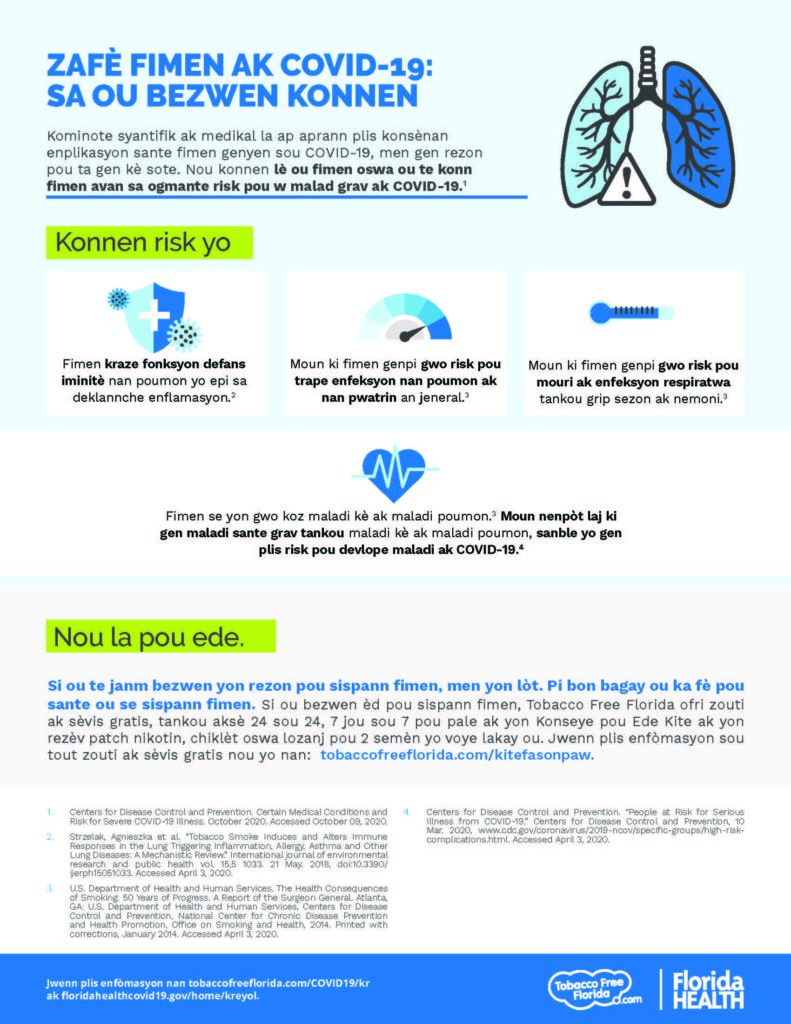
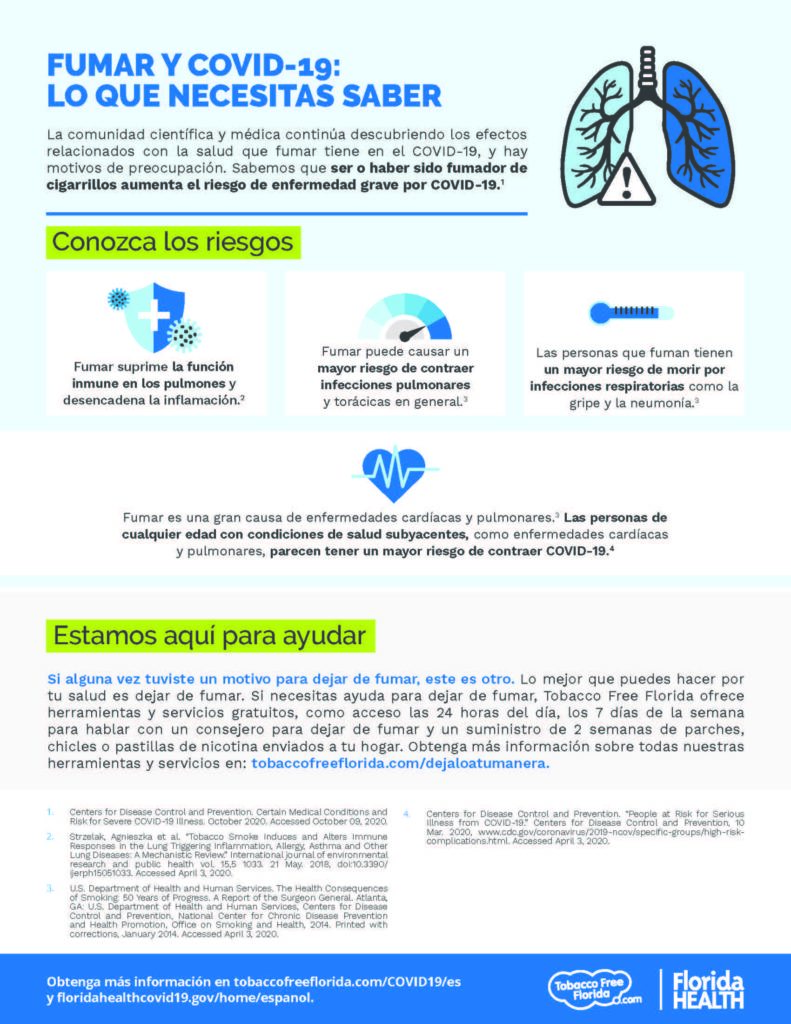
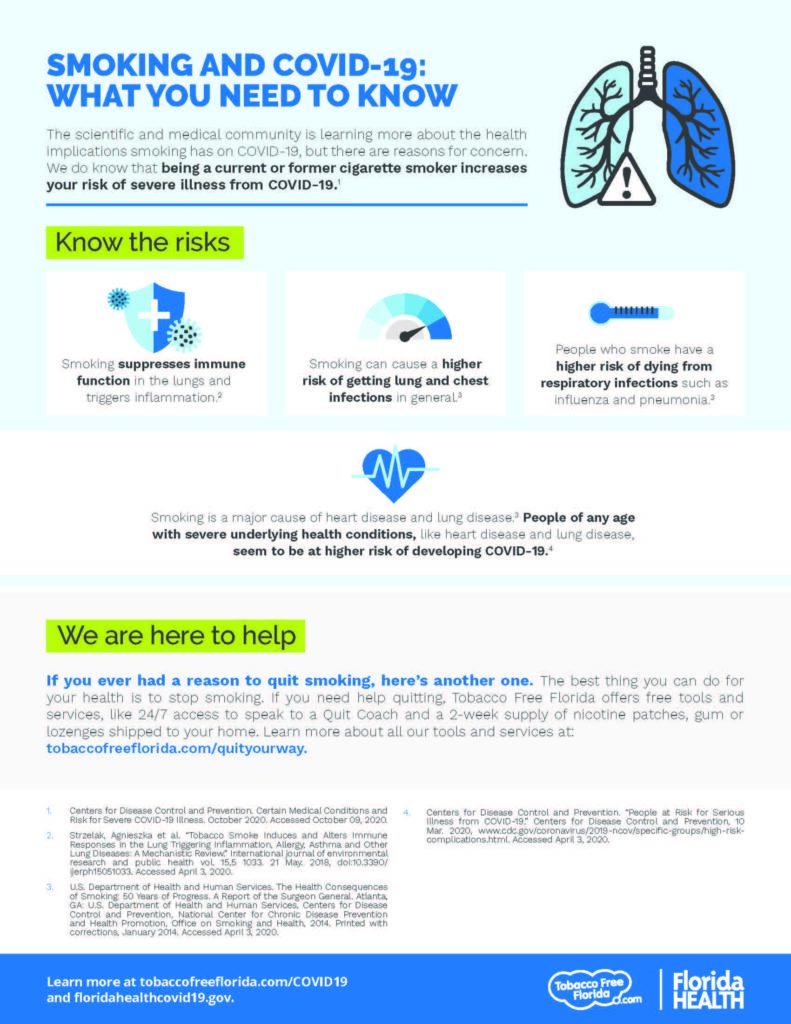
SECONDHAND SMOKE Text Box: Who Is At Risk? Objectives To address the serious health effects associated with secondhand smoke To educate communities on protecting themselves from exposure to secondhand smoke Facts About Secondhand Smoke Secondhand smoke is the third leading cause of preventable death in the United States. It contains over 4,000 chemicals. More than 60 of these chemicals are known or suspected to cause cancer. What is Secondhand Smoke? Secondhand smoke is the combination of two forms of smoke from burning tobacco products: Side-stream smokeis smoke that is emitted between puffs of a burning cigarette, pipe or cigar. Main-stream smokeis smoke that is exhaled by the smoker. Cigarette Equivalency Who is at risk? Fetuses When a woman smokes during pregnancy, the nicotine may cause constrictions in the blood vessels of the umbilical cord, thereby decreasing the amount of oxygen available to the fetus. This increases the risk of complications such as: Miscarriage Premature birth Stillbirth Spontaneous abortion Who is at risk? Newborns Babies born to mothers who smoke during pregnancy have an increase risk of: Sudden Infant Death Syndrome (SIDS) Lower birth weight Mental retardation Brain dysfunction Respiratory infections Who is at risk? Children & Teens The Surgeon General and the Environmental Protection Agency (EPA) strongly urge that smoking in the presence of children and teens be avoided. Why? Children suffer from bronchitis, pneumonia, hyperactivity, middle ear infections, upper respiratory infections, and are frequently hospitalized. Teens are more likely to become smokers themselves. As a result, they will suffer greater long-term health effects such as cancer, heart disease and progressive lung disease like emphysema. Who is at risk? People With Asthma During an asthma attack, the air passages constrict & block the free flow of air in and out of the lungs. This happens when people are exposed to smoke. Characteristics of an asthma attack include: Tightness in the chest and shortness of breath, Wheezing and unexplained coughing, Trouble talking, Bluish lips & fingers due to lack of oxygen, and Suction of the skin around the ribs. Smoking Impacts Smoking has a negative health impact on people of all stages of life. It harms unborn babies, infants, children, adolescents, adults, and seniors. Take Action Keep your home and the vehicle free from smoke. Avoid smoking in the presence of children & infants. Don’t allow others to smoke in your home or vehicle. Take the smoke outside. Want to quit –U Can Now! Talk to your health care provider. Contact your local American Cancer Society, American Lung or Heart Associations. Call the Florida Quit-For-Life Linetoll free at 1-877-U Can Now or1-877-822-6669. References: The Centers for Disease Control (CDC) & Prevention The Health Consequences of Smoking. A Surgeon Report 2004. www.cdc.gov/tobacco The American Lung Association www.lunguse.org The American Cancer Society www.cancer.org Action on Smoking and Health (ASH) http://no-smoking.org/july02/07-30-02-3